
Data-Driven Decisions: How Analytics Are Redefining Digital Marketing
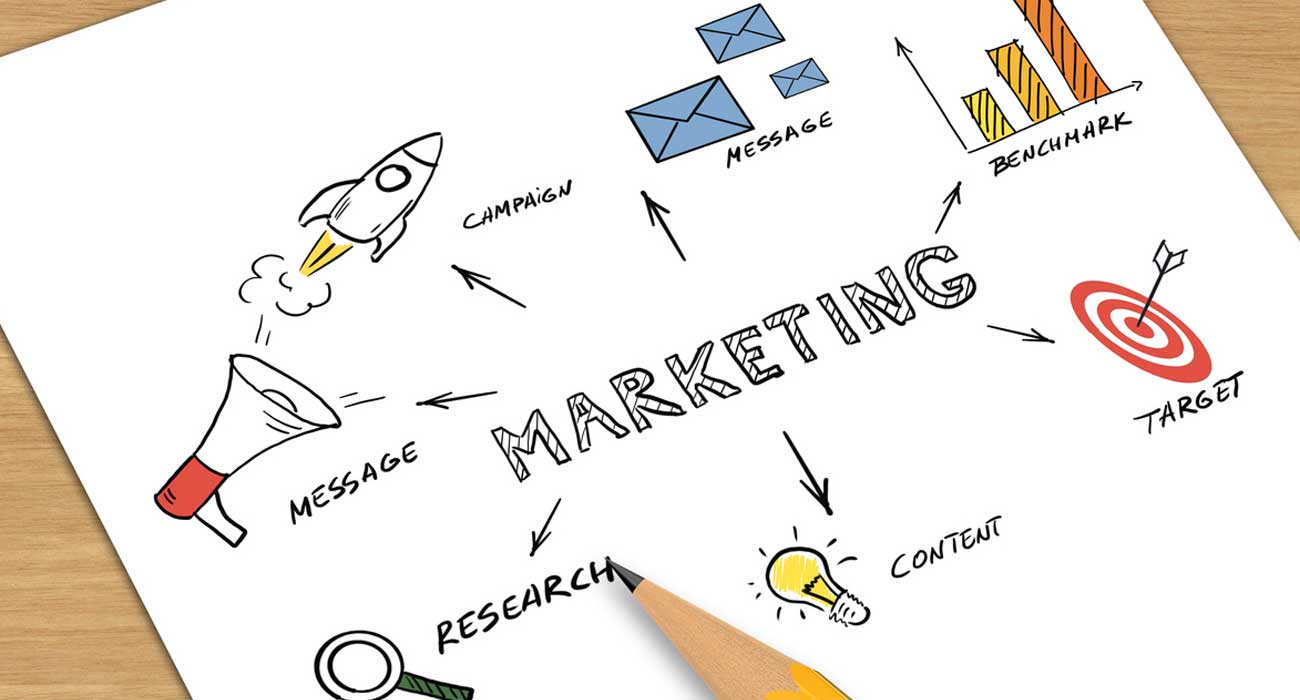
Data-driven marketing means letting real numbers, not guesswork, decide where your marketing time and money go. Marketing used to be about instinct, creativity, and timing. While those elements still matter, data has become the new foundation. Today, analytics isn’t just a reporting tool—it’s the driving force behind every major digital marketing decision. From understanding what customers truly value to predicting future trends, data-driven marketing has transformed how brands grow, adapt, and compete.
Tracking What Truly Converts — Beyond Vanity Metrics
Many marketers still rely on vanity metrics like page views, likes, or impressions. These numbers may look impressive on reports but don’t always translate into tangible business results. Real success lies in identifying and tracking the metrics that drive conversions and long-term engagement.
For instance, track your customer acquisition cost (CAC), which is how much you spend to win one customer. If you spend ₹20,000 on ads and gain 10 customers, your CAC is ₹2,000. Compare that with lifetime value (LTV), the total a customer spends with you over time. If LTV is well above CAC, that channel is worth growing. This simple comparison is the heart of data-driven marketing.
Shifting focus from vanity metrics to performance indicators helps companies allocate budgets more efficiently. Every click, form submission, and purchase can be measured to fine-tune campaigns for better ROI.
Predictive Insights: Using AI to Anticipate Consumer Behavior
Artificial Intelligence (AI) has elevated marketing analytics from reactive to predictive. Instead of just looking back at what happened, AI enables marketers to forecast what’s likely to happen next.
Predictive analytics combines historical data with machine learning to identify patterns in customer behavior. For example, AI tools can forecast seasonal demand, recommend the best time to launch campaigns, or even suggest which type of content a user is most likely to engage with. Even free tools now do this. Google Analytics, for example, can predict which visitors are likely to buy or stop visiting, once your site has enough data.
E-commerce platforms use AI to recommend products based on browsing history, while B2B marketers use it to score leads and prioritize prospects most likely to convert. The power lies in turning massive datasets into actionable insights—helping businesses anticipate needs and respond faster than ever before.
Moreover, predictive insights help personalize experiences at scale. Instead of sending the same message to every user, AI allows marketers to create dynamic campaigns that adapt to user preferences, boosting engagement and loyalty.
Turning Campaign Data into Long-Term Growth Strategies
The true value of analytics goes beyond one-off campaign optimizations—it lies in shaping long-term marketing strategy. Data-driven marketing reveals not only what works but why it works.
By consistently tracking performance over time, businesses can spot trends that inform strategic decisions. For instance:
- Which marketing channels consistently bring high-quality leads?
- What type of content nurtures trust and drives conversions?
- Which customer segments deliver the best lifetime value?
The answers to these questions help brands refine messaging, pricing, and even product strategy. Over time, this creates a feedback loop where every campaign becomes smarter than the last.
Analytics also enable better collaboration between departments. Sales, product development, and customer support can all use shared insights to understand customer expectations and pain points. This alignment ensures that marketing isn’t operating in isolation but driving growth across the entire organization.
From Data to Decisions
The shift toward data-driven marketing doesn’t mean creativity takes a backseat—it means creativity becomes more strategic. Insights drawn from analytics guide the creative process, ensuring that ideas are not only innovative but also relevant and effective.
However, success depends on how data is managed and interpreted. Raw numbers alone don’t create value; interpretation does. Businesses must invest in tools and talent capable of translating analytics into strategy—bridging the gap between data collection and decision-making.
Analytics has redefined what it means to market effectively. By focusing on metrics that matter, leveraging AI for predictive insights, and using data to inform long-term strategy, businesses can create marketing systems that continuously learn, adapt, and improve.
Data-driven decision-making turns digital marketing into a science backed by measurable outcomes. In a world where consumer expectations shift rapidly, it’s the brands that listen to their data—and act on it—that will lead the way forward.
Need Help With Data-Driven Marketing?
We can set up tracking that shows what’s really working, and turn your data into clear next steps. Reach out through our contact form.


 +91 8277203000
